The Importance of Passive Fire Protection in Building Safety
Passive Fire Protection (PFP) is an essential component of building safety. It plays a critical role in safeguarding both lives and property. PFP is designed to contain or slow the spread of fire and smoke. This enables safe evacuation and minimizes structural damage during a fire emergency.
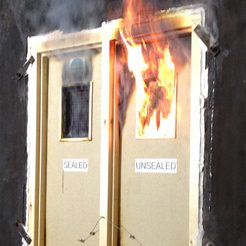
Passive Fire Protection is built into the structure itself, unlike Active Fire Protection for example systems sprinklers or alarms, which require activation. It functions automatically in the event of a fire. Components like fire doors, intumescent paints, and fire dampers are engineered to react to high temperatures (typically above 200°C). These materials expand or seal off areas to block the spread of fire and smoke. Therefore, they maintain compartmentation and create safe escape routes.
These systems are vital for health and safety. They provide critical time for occupants to evacuate and for emergency responders to control the blaze more effectively. Without proper PFP measures in place, fires can escalate more rapidly. This results in greater harm to both people and property.
Passive Fire Protection is underpinned by key legislation. The Regulatory Reform (Fire Safety) Order 2005 requires employers and building owners to take all reasonable steps to prevent fires and reduce their impact. This includes implementing effective passive fire protection measures, such as compliant fire doors and fire-resistant materials. Likewise, the Safety, Health and Welfare at Work Act enforces stringent fire safety standards. Together, these regulations make it clear: there is no room for neglect when it comes to protecting buildings and their occupants.
A well-installed fire door or fire damper can mean the difference between life and death during an emergency. On a broader scale, robust Passive Fire Protection also prevents catastrophic loss of property and business continuity. The stronger and more comprehensive the PFP measures, the more time there is to delay the spread of fire. This provides a crucial window for safe evacuation and effective firefighting efforts.