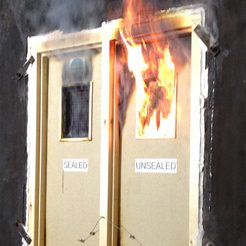
So, your building is up to full Passive Fire Protection standards, yay! In our previous blogs, we discussed the fire services we provide. Passive Fire Protection involves using building materials and construction techniques to prevent fires. Using materials like fire-resistant walls, floors, and doors that can withstand the effects of fire for a specified duration. Now we will go through what this means in the event of a fire breaking out in your building.
Your safety in the event of a fire
Fires can be stressful events to experience, especially if you are not fully aware of what is going on. So, it is important to keep as calm as possible and follow some simple guidelines. In the event of a fire, Passive Fire Protection efforts ensure fire compartmentalisation in their area. Whether it is the fire doors or the fire collars, are exposed to high levels of heat (>200 degrees Celsius for fire doors), they will activate. Thus, preventing the fire from spreading. All Passive Fire Protection measures will guarantee the longest possible time for you to escape a building safely and execute your safety plans.
Here are our tips for dealing with a fire event:
- As soon as you notice a fire, it is important to raise the alarm. If the fire alarms have not already been set off, shouting at others in your space or physically setting off the fire alarm is recommended.
- In the event of a fire, smoke can reduce visibility, so it is important to be aware of your closest emergency exit. Follow the route to the exits.
- If you do have to exit by a window, try to soften your fall by throwing down clothes or soft items. Do not jump out the window. Climb down as best as possible and lower yourself to the ground. Lower children as close to the ground as possible. Other adults can help to soften their fall by catching them if it is achievable.
- When escaping through your building, check the handle of the door/ doorknobs if they are warm. If so, the fire has probably spread to that room. If this is not the case, exit the door and repeat until an outside exit is found.
- Be aware of smoke, as it is more likely to seriously harm or kill you than fire. Smoke rises, therefore stay as close to the ground when escaping a building. You can do this by crawling.
- If you are stuck inside the building with no viable escape route, call for help from your closest window. Also, call emergency services at 999/112. When you do this, block all cracks around the door with clothes/ towels, etc. Try placing a towel (preferably a wet towel) around your mouth to prevent smoke inhalation.
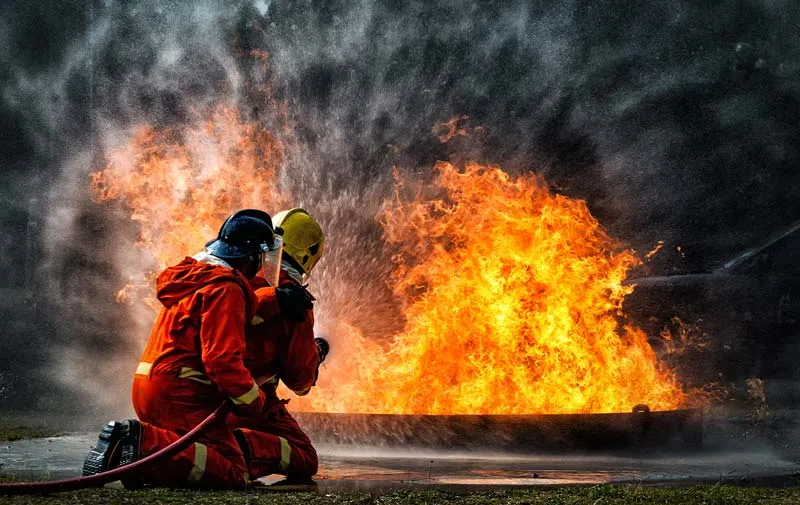
- Passive Fire Protection is crucial at this stage, ensuring no need to go back in to retrieve any personal belongings or others in the building. Fire services will deal with this. Do not investigate the fire. Do not attempt to put out fire especially if it is too large to be controlled by a normal extinguisher. Passive Fire Protection is there to prevent and hinder the spread of fire. This allows for everyone to escape and provides ample time for first responders to arrive at the scene.
- When you make it outside, call for fire services immediately at 999/112, and assemble at the designated fire assembly point.
Watch this short video on what you should do in the event of a fire:
Do not risk your live or others allow Passive Fire Protection prevention to do its job!!